
Sodium Lignosulfonate Liquid
Liquid Sodium Lignosulfonate Grades for Ceramics, Binders, Dust Control and Concrete
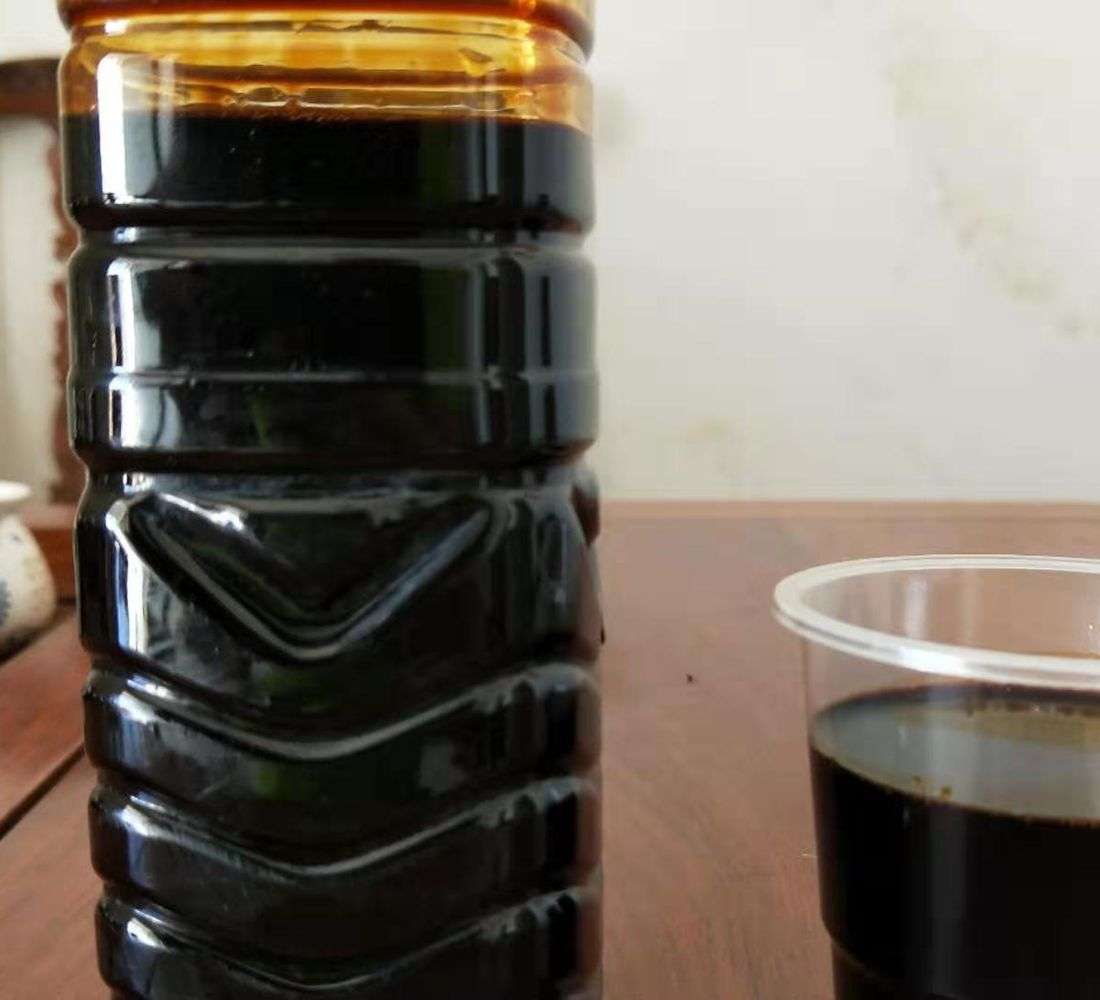
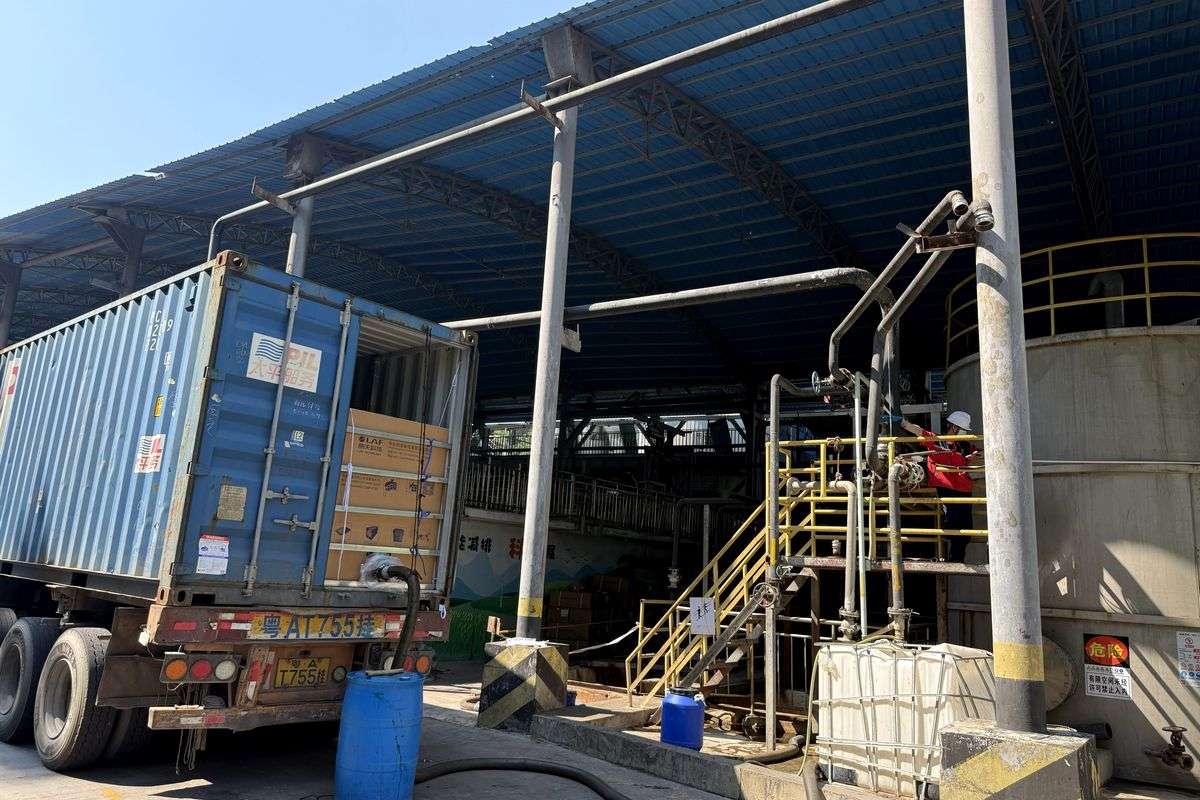
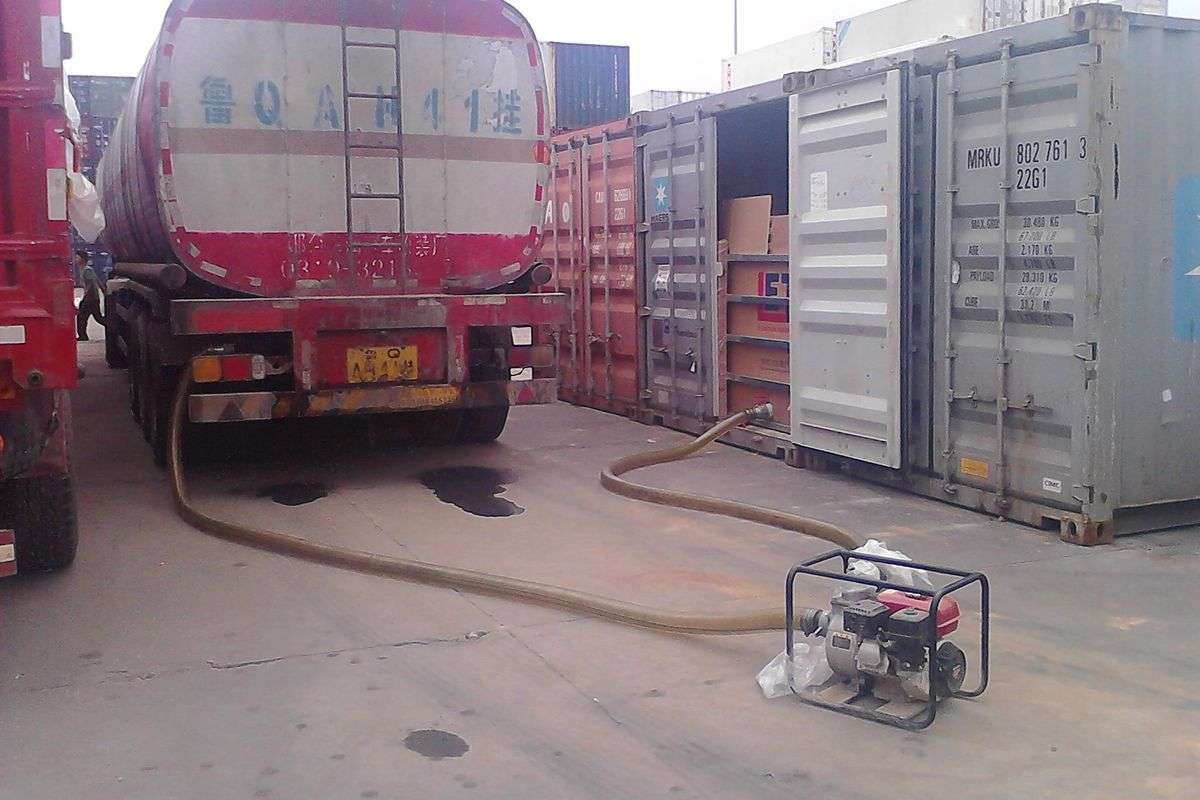
Sodium lignosulfonate liquid is a black, flowable water solution of sodium lignosulfonate at 45% minimum solids. It is dosed or sprayed directly, so there is no dissolving step. Green Agrochem supplies five liquid sodium grades, from a low-insoluble binder grade to a dedicated dust control grade, in flexitanks or IBC totes.
- CAS No.
- 8061-51-6
- Also called
- Liquid sodium lignosulfonate; sodium lignosulphonate liquid; lignosulfonic acid, sodium salt solution
- Form
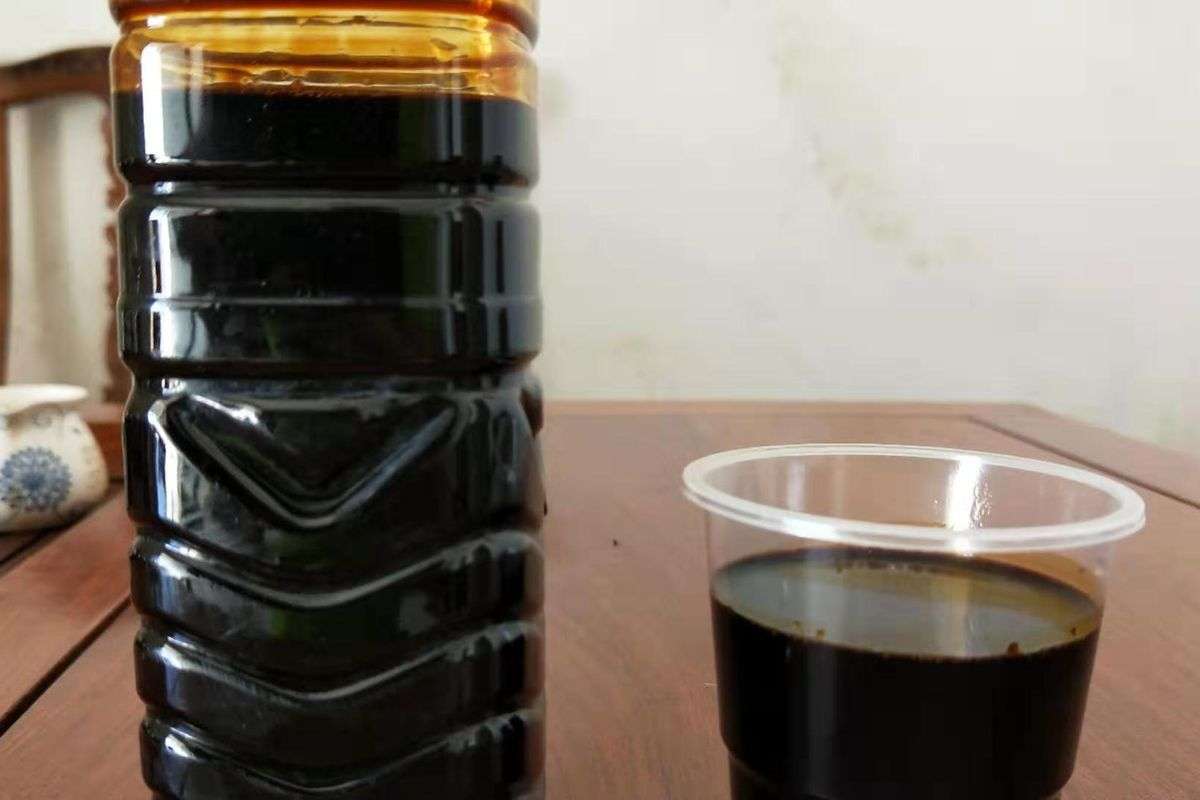
- Black to black-brown liquid
- Solids
- 45% min
- Shelf life
- 12 months; protect from freezing
Sodium Lignosulfonate Liquid Specification
Typical values from the current Technical Data Sheets (Rev. 2.0). Every shipment carries a batch Certificate of Analysis.
| Grade | Solids | Lignosulphonate | Water-insoluble | Reducing sugar | pH | Density | TDS / MSDS |
|---|---|---|---|---|---|---|---|
| Grade One | 45% min | 50% min (dry basis) | 1% max | Around 7% | 7.0–11.0 | 1.20–1.32 g/mL | TDSMSDS |
| Grade Two | 45% min | 50% min (dry basis) | 2.5% max | Around 4% | 9.0–13.0 | 1.20–1.30 g/mL | TDSMSDS |
| Grade Three | 45% min | 50% min (w/w) | 2.5% max | Around 14% | 4.0–7.0 | 1.20–1.30 g/mL | TDSMSDS |
| Ceramics Grade | 45% min | 45% min (dry basis) | 2.5% max | Around 4% | Around 9.0 | 1.20–1.30 g/mL | TDSMSDS |
| Dust Control Grade | 45% min | 50% min (dry basis) | — | Around 14% | — | 1.20–1.30 g/mL | TDSMSDS |
Grade Three states lignosulphonate content as w/w (on the liquid); the other grades state it on a dry basis. Density is 1.20–1.32 g/mL for Grade One and 1.20–1.30 g/mL for the other grades.
Which Sodium Lignosulfonate Liquid Grade?
Grade One
High-solids grade with very low water-insoluble matter, for applications where purity and consistency matter.
Used for: ceramics, casting sand and fiberboard binders.Grade Two
Alkaline grade (pH 9–13) used mainly as an industrial dispersant and processing aid.
Used for: concrete plasticizer and cement grinding aid, cement rawmix slurry, lead-acid batteries, drilling mud, plasterboard and dispersant uses.Grade Three
Colloidal grade with a higher sugar (Brix) content, which gives strong binding capability.
Used for: binders for ore fines, coal, coke and casting sand; dust suppression; drilling mud.Ceramics Grade
Formulated for ceramic tile and refractory slip; increases green and dry strength and reduces shrinkage.
Used for: ceramic tiles and refractories, typically 0.1–2.0% of the slip.Sodium Lignosulfonate Liquid Applications
The grade decides the application: low-insoluble and ceramics grades for binders and ceramics, the high-pH grade for dispersing, and the higher-sugar grades for binding and dust control. Uses listed in the current TDS documents:
- Ceramics: Filler and binder in ceramic tiles; increases green and dry strength and acts as a lubricant during extrusion or pressing. Typical slip addition 0.1–2.0%.
- Binders: Fiberboard resins, casting sand, fodder pellets, and powdered or granular materials such as iron ore fines, lead/zinc powder, coal and coke.
- Dust control: Dust-suppression agent for unpaved roads, haul roads and dusty industrial processes.
- Concrete and cement: Plasticizer in concrete and cement grinding aid, reducing water demand while maintaining workability; rawmix slurry deflocculant in cement manufacturing.
- Lead-acid batteries: Active material additive in battery plates, improving lead sulphate crystallization.
- Drilling mud: Viscosity reducer in oil-well drilling mud, replacing tannin (quebracho) thinners.
- Plasterboard: Water-reducing additive that allows lower kiln drying temperatures.
- Dispersant: Dispersant for pesticides, dyes, carbon black and fodder.
Liquid or Powder?
Choose sodium lignosulfonate liquid when the product is used as a solution anyway and the volume is large and regular: it is pumped and dosed directly, with no dissolving and no dust. About half of the shipped weight is water, so for long-distance export or dry blending the sodium lignosulfonate powder (95% min dry matter) is usually cheaper per tonne of active material. A full comparison is on the liquid lignosulfonate page.
Packaging and Storage
Frequently Asked Questions
What is the solids content of sodium lignosulfonate liquid?
All five liquid sodium grades are 45% min solids. Lignosulphonate content is 45–50% min, stated on a dry basis except Grade Three, which is stated w/w.
Which sodium lignosulfonate liquid grade is best for dust control?
The Dust Control Grade, or Grade Three. Both have higher reducing sugar (around 14%), which adds tackiness and binds fine particles on roads and stockpiles.
Is sodium lignosulfonate liquid classified as dangerous goods?
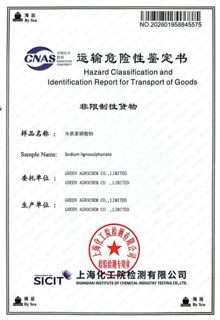
No. SICIT (CNAS IB0071) classified sodium lignosulphonate liquid as not subject to the IMO IMDG Code (2024 Edition), so it ships as non-restricted sea cargo. See the SDS for handling.
How should the liquid be stored?
In closed containers in a cool, ventilated area, protected from freezing. Shelf life is 12 months; mix before use after long storage.
Related Products and Documents
- Sodium lignosulfonate powder: grades, specification and TDS.
- Liquid lignosulfonate: all liquid grades compared, liquid vs powder.
- Calcium lignosulfonate liquid: standard and acidic grades.
- Sodium lignosulfonate liquid on LigninCorp: industrial supply.
Questions about a specification, a test result or a formulation: contact us or email info@greenagrochem.com.