
Lignosulfonate reference
Liquid Lignosulfonate
Liquid lignosulfonate is lignosulfonate supplied as a concentrated water solution, typically 45–50% solids, instead of as a spray-dried powder. It is used where the product is dosed or sprayed as a liquid anyway: dust control, liquid fertilizers, concrete admixture plants, ceramics and binders. This page compares the main liquid grades and explains how to choose between liquid and powder.

- Form
- Water solution, dark brown
- Solids
- 45–50% min
- Counter-ions
- Sodium, calcium, potassium, ammonium
- Density
- 1.20–1.32 g/mL depending on grade
- Shelf life
- Typically 12 months; protect from freezing
Liquid Grades Compared
Typical values from the current TDS of each grade; density is 1.20–1.32 g/mL depending on grade. Batch results are stated on the COA.
| Grade | Solids | Lignosulphonate | Water-insoluble | Reducing sugar | pH | TDS / MSDS |
|---|---|---|---|---|---|---|
| Sodium, Grade One | 45% min | 50% min (dry basis) | 1% max | Around 7% | 7.0–11.0 | TDSMSDS |
| Sodium, Grade Two | 45% min | 50% min (dry basis) | 2.5% max | Around 4% | 9.0–13.0 | TDSMSDS |
| Sodium, Grade Three | 45% min | 50% min (w/w) | 2.5% max | Around 14% | 4.0–7.0 | TDSMSDS |
| Sodium, ceramics grade | 45% min | 45% min (dry basis) | 2.5% max | Around 4% | Around 9.0 | TDSMSDS |
| Sodium, dust control grade | 45% min | 50% min (dry basis) | — | Around 14% | — | TDSMSDS |
| Calcium, standard | 45% min | 45% min (dry basis) | 2% max | Around 4% | Around 5.0 | TDSMSDS |
| Calcium, acidic | 45% min | 55% min (dry basis) | 1.5% max | Around 12% | 4.0–6.0 | TDSMSDS |
| Potassium (K2O 8–10%) | 45% min | 45% min (dry basis) | 2.5% max | Around 4% | 4.0–7.0 | TDSMSDS |
| Ammonium, acidic (N 3–5%) | 45% min | 50% min (dry basis) | 2.5% max | Around 15% | 4.0–6.0 | TDSMSDS |
| Ammonium, alkaline (N 3–5%) | 45% min | 50% min (dry basis) | 2% max | Around 10% | 8.0–10.0 | TDSMSDS |
| Ammonium, fertilizer grade (N 3–5%) | 50% min | 50% min (dry basis) | — | — | 4.0–7.0 | TDSMSDS |
Grade guides and applications by counter-ion: sodium lignosulfonate liquid (five grades) and calcium lignosulfonate liquid (standard and acidic).
Liquid or Powder?
| Liquid | Powder | |
|---|---|---|
| Handling | Pumped and dosed directly; no dissolving or dust | Must be dissolved for liquid use; dusty when handled |
| Transport cost | About half the shipped weight is water | Around 95% solids; cheaper per tonne of active material over long distances |
| Storage | Protect from freezing; shelf life typically 12 months | Keep dry; shelf life typically 24 months |
| Best fit | Large, regular volumes near the user; liquid formulations; spraying | Export, dry blending, small or irregular volumes |
Choosing a Liquid Grade
- Counter-ionSodium for compatibility with other admixture components; calcium where cost matters most; potassium or ammonium where the cation adds nutrient value in fertilizers.
- pHMatch it to the system: acidic grades for many fertilizer blends, alkaline grades for some ceramic and industrial uses.
- Reducing sugarHigher sugar adds tackiness, useful in dust control and binding, but retards cement setting.
- Water-insoluble matterKeep it low for spraying and fine filters.
- Basis of the lignosulphonate figureMost grades state it on dry solids; one is stated w/w. Compare like with like.
Packaging and Storage
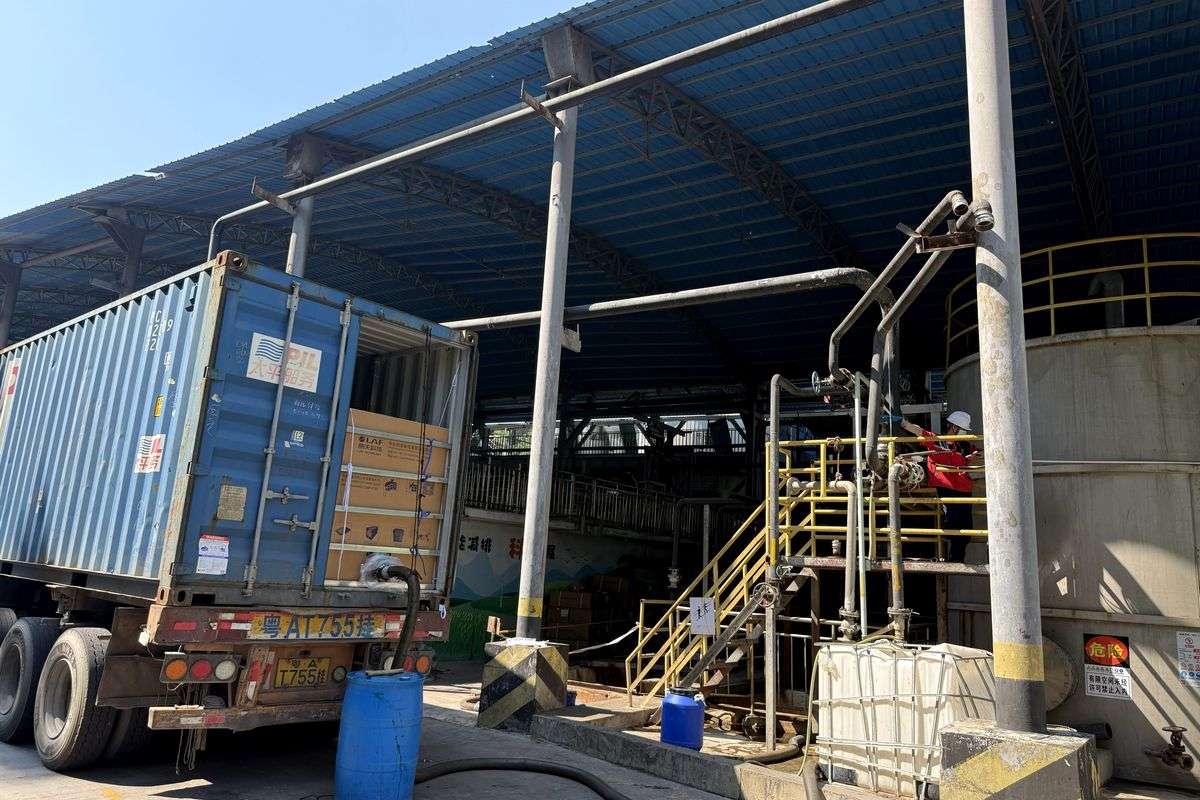
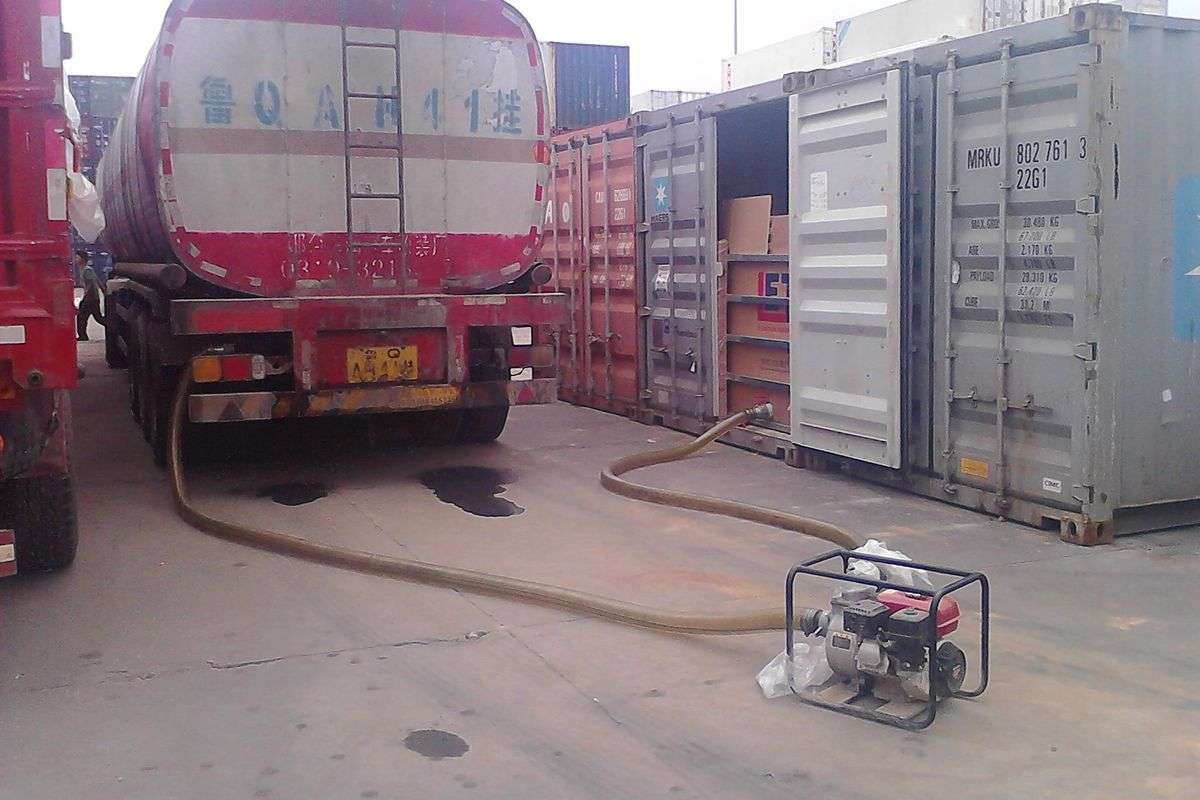
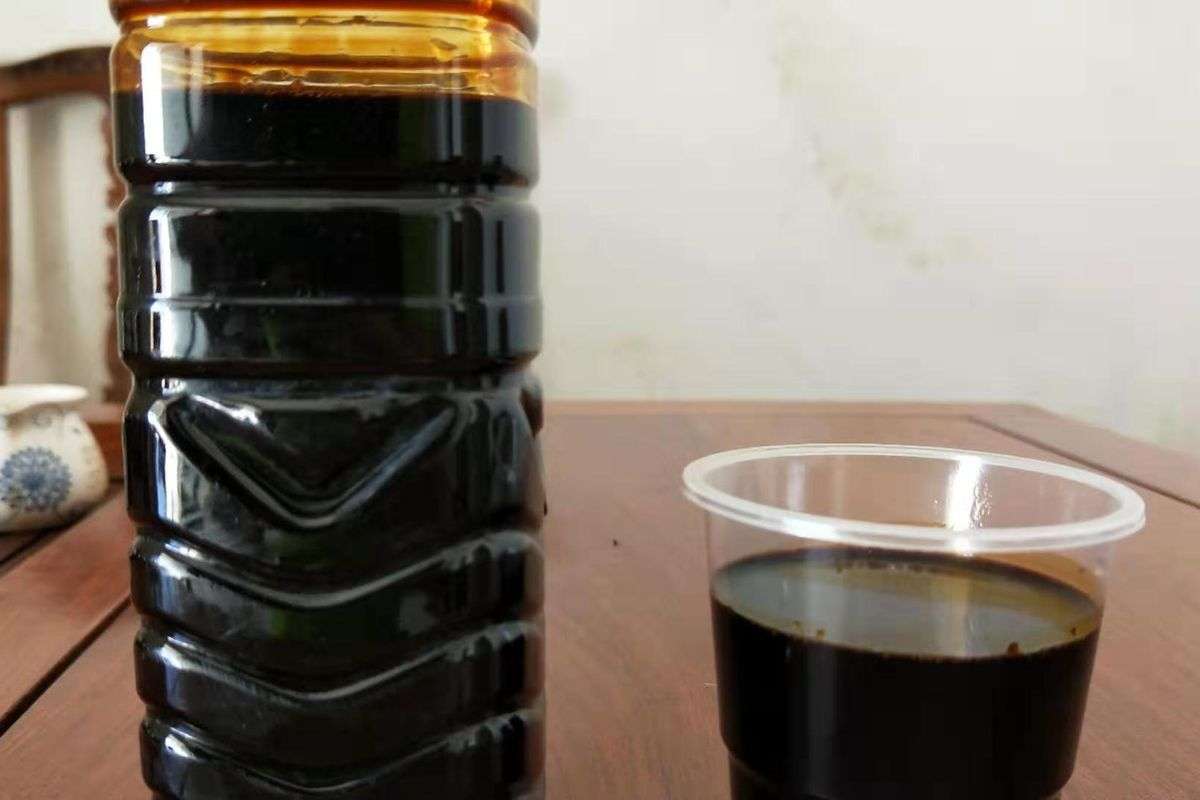
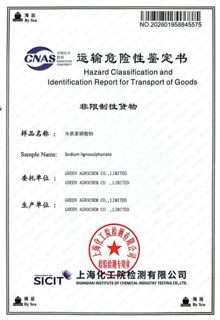
Sodium and Calcium Lignosulfonate Liquid
Sodium lignosulfonate liquid is the most common liquid type. Our sodium liquids come in three general grades that differ in pH and sugar: Grade One (pH 7.0 – 11.0, around 7% reducing sugar, 1% max insolubles), Grade Two (pH 9.0 – 13.0, around 4%) and Grade Three (pH 4.0 – 7.0, around 14%). Sodium grades are chosen where calcium ions are unwanted, for example in some dispersant and ceramic systems.
Calcium lignosulfonate liquid is the usual choice for concrete plasticizers, dust control and many binders. The general grade (GAC-CaLS-L) has pH around 5.0 and around 4% reducing sugar; an acidic grade has 55% min lignosulphonate on a dry basis.
Reading the numbers on a liquid TDS
| Term | What it means |
|---|---|
| Solid content | Dry matter left after evaporating the water; our liquids are 45% min |
| Lignosulphonate content (dry basis) | Share of the solids that is lignosulfonate; multiply by the solids for the as-supplied content (50% × 45% ≈ 22.5%) |
| Reducing sugar | Wood sugars left from pulping; more sugar means more binding and more set retardation in concrete |
| Brix | Dissolved solids measured by refractometer, a quick check on concentration |
| Water-insoluble matter | Undissolved residue; matters for nozzles, filters and fine ceramic bodies |
| Density | About 1.20 – 1.32 g/ml; used to convert pump volume to mass |
Full grade data with TDS links: liquid lignosulfonate grades compared. Industrial overview: lignosulfonate liquid.
Frequently Asked Questions
What is the solids content of liquid lignosulfonate?
Most grades are 45% min solids; the ammonium fertilizer grade is 50% min.
Is liquid lignosulfonate cheaper than powder?
Per tonne of product yes, but about half of a liquid shipment is water. Over long distances powder is often cheaper per tonne of active material; locally, liquid saves the drying cost and the dissolving step.
Liquid Lignosulfonate: Product Page, Documents and Quotes
- Sodium lignosulfonate liquid: five liquid sodium grades.
- Calcium lignosulfonate liquid: standard and acidic grades.
- Liquid lignosulfonate grades on LigninCorp: documents and quotes.
- Powder grades: sodium, calcium, potassium, ammonium.
Questions about a specification, a test result or a formulation: contact us or email info@greenagrochem.com.